


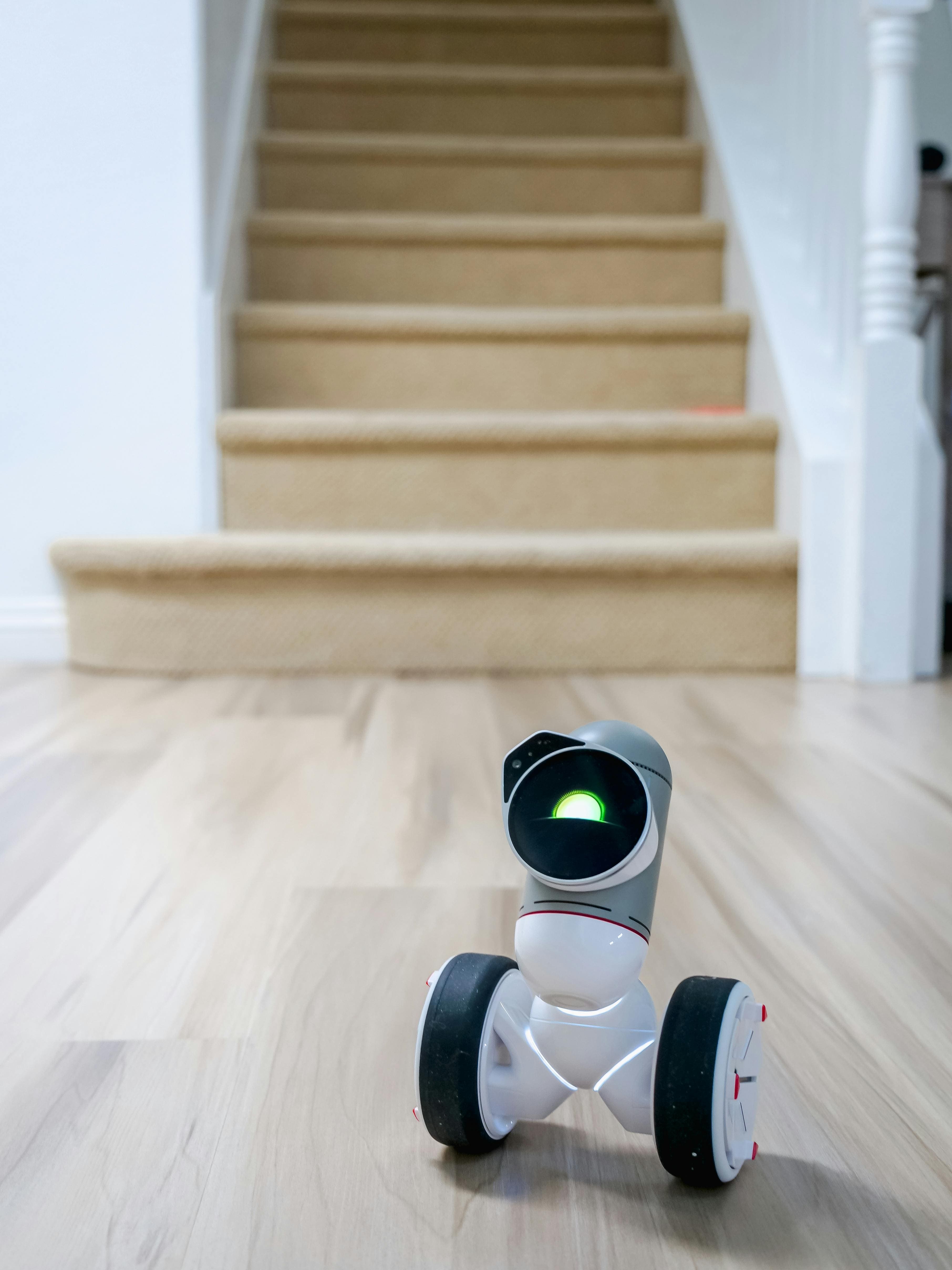
Why Predictive AI Is the Biggest Security Upgrade of 2026
For years, home security systems have worked in a fairly simple way: something moves, a camera records it, and your phone receives an alert. That approach helped bring smart security into everyday Australian homes, but in 2026, many homeowners are starting to notice its limitations.
The biggest issue is not necessarily a lack of cameras. It is the constant stream of notifications. Traditional systems often treat every motion event as equally important, leaving homeowners overwhelmed by alerts that rarely matter.
This is where predictive AI security systems are changing the game.
Instead of simply reacting to movement, the latest generation of smart home predictive monitoring technology is designed to understand behaviour. Increasingly, modern systems aim to identify suspicious patterns before a situation escalates.
The future of home security technology in 2026 is becoming less reactive and far more aware.
Why standard security cameras are starting to feel outdated
Traditional security cameras still play an important role in home protection, but many were built around a fairly basic concept: motion detection.
When movement enters a camera’s field of view, the system records footage and may send a notification to the homeowner. The problem is that standard cameras cannot always understand context.
AI-powered systems use behavioural detection home security technology to evaluate activity more intelligently. For example, a traditional camera might alert you whenever someone walks past your property. A predictive AI system, however, may recognise that a person has been lingering near your side gate for several minutes, repeatedly approaching the property late at night, or pacing near entry points in an unusual way.
What predictive AI security systems actually look for
Predictive AI security systems are not “predicting crimes.” They are designed to identify patterns that differ from normal activity around your property.
Modern systems can combine several forms of analysis, including:
- Object recognition
- Motion tracking
- Activity timing
- Zone awareness
- Behavioural analysis
Together, these tools help security systems determine whether activity appears routine or unusual.
For example, predictive systems may flag:
- Someone loitering near a front entrance
- Repeated movement near restricted areas
- Unusual late-night activity
- Attempts to access doors or gates multiple times
- Behaviour commonly associated with package theft
Many systems can now distinguish between people, pets, vehicles, and environmental movement, significantly reducing unnecessary alerts.
For homeowners, the experience becomes less about constantly monitoring footage and more about receiving meaningful insights when something genuinely requires attention.
Fewer false alarms and better awareness
One of the biggest advantages of smart home predictive monitoring is not just improved security, it’s reduced stress.
Predictive AI helps reduce that pressure by filtering out low-risk activity and prioritising events that appear more unusual.
This creates several practical benefits:
-
Fewer false alarms
Modern AI-powered systems can better identify ordinary environmental activity, reducing unnecessary notifications caused by weather, animals, or routine street movement.
-
Faster response to genuine concerns
When alerts are more accurate, homeowners are more likely to respond quickly and confidently when something actually appears wrong.
-
Smarter automation
Many predictive systems can now coordinate with wider smart home ecosystems. Depending on the setup, suspicious activity may automatically trigger:
- Outdoor lighting
- Security mode activation
- Smart lock responses
- Sirens or deterrence warnings
- Camera tracking features
-
Better remote monitoring
For frequent travellers, Airbnb hosts, and busy families, predictive systems provide greater visibility without requiring constant manual checking.
Instead of watching camera feeds all day, homeowners can rely on systems that quietly monitor for unusual activity in the background.
In many ways, predictive AI is helping security systems feel less intrusive and more supportive.
Does smarter monitoring mean more surveillance?
As predictive systems become more advanced, privacy concerns are understandably growing as well.
The ability to analyse behaviour more intelligently also means security systems may collect and process more information than older camera setups. That makes responsible configuration increasingly important.
Ethical smart home security still depends heavily on how homeowners use the technology.
Good privacy practices include:
- Positioning cameras carefully
- Using privacy masking zones
- Disabling features you do not need
- Enabling multi-factor authentication
- Reviewing cloud storage settings regularly
It is also important to focus cameras on legitimate security areas such as entrances, garages, gates, and driveways rather than neighbouring properties or shared private spaces.
As Australians become more aware of surveillance and data privacy concerns, many newer systems are also shifting toward local AI processing. This allows devices to analyse activity directly on the hardware itself instead of constantly uploading footage to cloud servers.
In the long term, smarter monitoring may actually improve privacy by reducing unnecessary recording and helping systems focus only on events that matter.
Where predictive home security is heading next
The future of home security technology in 2026 is not really about creating “smarter cameras.” It is about creating calmer, more reliable systems that work quietly in the background.
As predictive AI continues to evolve, homeowners will likely see:
- Better threat prioritisation
- Faster emergency integrations
- Improved perimeter awareness
- Reduced false notifications
- Greater coordination between smart devices
- Stronger privacy-focused local processing
Importantly, the goal is not constant surveillance. The best systems are moving toward reducing friction rather than increasing it.
Homeowners do not want to become security analysts. They simply want technology that helps them feel informed, protected, and less anxious about what is happening around their property.
At Secure Your World, we believe smart security should simplify life rather than complicate it. As predictive AI becomes a larger part of modern home protection, choosing trusted, well-configured technology matters more than ever.
The best security systems in 2026 are not necessarily the loudest or the most aggressive. They are the ones that quietly help you stay one step ahead.