


If you are renting, wanting better security can feel tricky. You know what your home needs, but you also know you cannot simply drill holes, change locks, or mount cameras without permission. Many renters worry they will come across as demanding or that their landlord will refuse before they even hear the idea out.
The good news is that most landlords are open to upgrades that protect their property, lower risk, and help keep good tenants long-term. It all comes down to how you present the request.
Here is a practical guide to help you negotiate security upgrades confidently while keeping your rental agreement and your landlord relationship in good shape.
1. Read your lease before you make any request
Before you talk to your landlord, check your lease for anything related to alterations, fixtures, and repairs. Some leases already allow certain types of temporary upgrades as long as you return the property to its original condition when you leave. Others require written permission for almost everything.
Knowing what your lease says helps you avoid requesting things that are clearly not allowed and shows your landlord that you have done your homework.
2. Lead with the benefits for them, not just for you
Security upgrades do not only protect tenants. They also protect the landlord’s property. When you make your request, highlight outcomes that matter to them, such as improved safety, reduced liability, and stronger long-term value.
Framing the request as a shared benefit makes it more persuasive and easier for a landlord to approve.
3. Choose upgrades landlords are most likely to approve
Landlords are more receptive to upgrades that are simple, removable, and low maintenance. These options tend to get quick approval:
- Smart locks and rekeyable locks: These reduce lockout issues and make it easier to reset access between tenants.
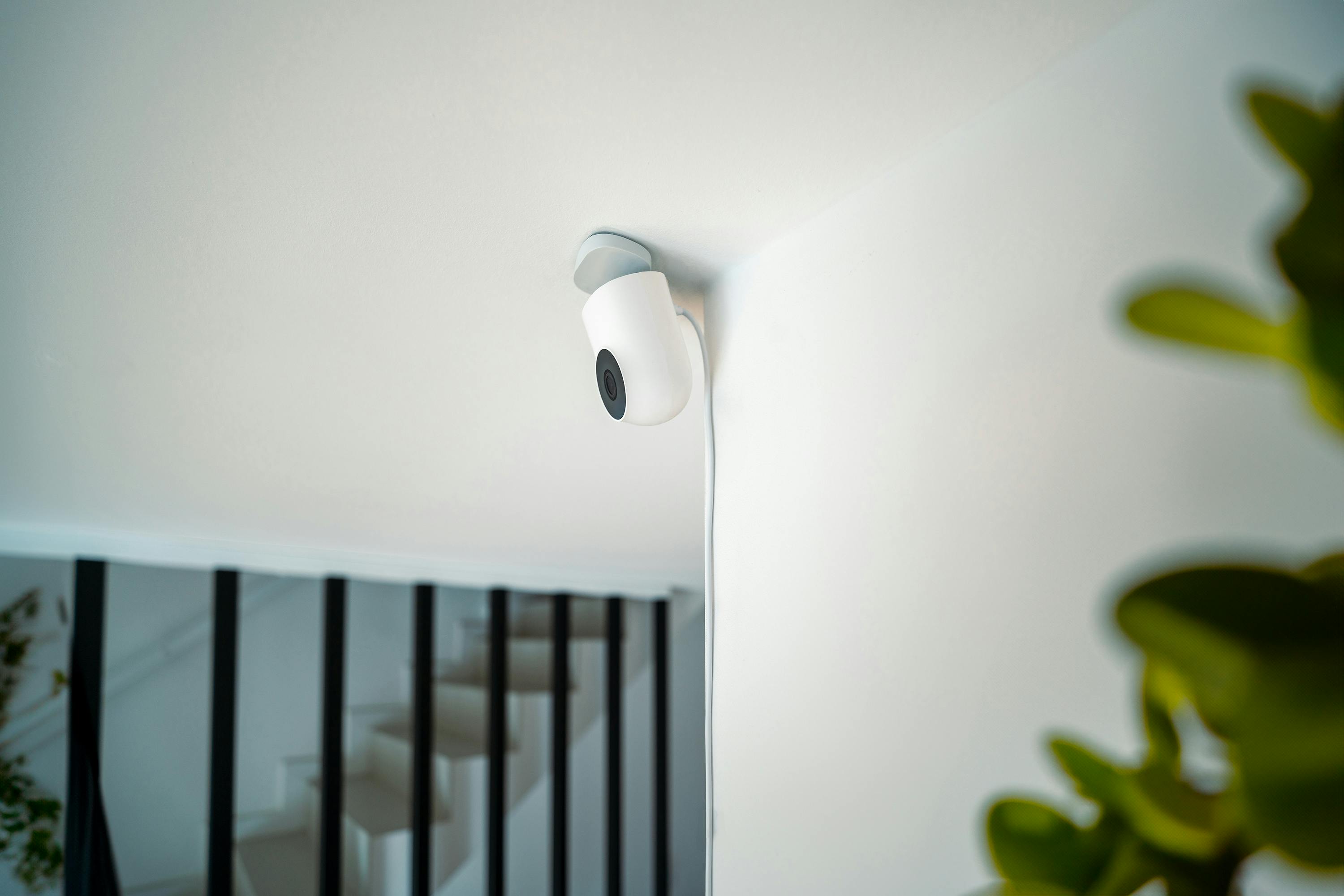
- Video doorbells and outdoor cameras: These add visibility and act as a useful deterrent. Many models can be installed using no-damage mounts.
- Motion-sensor lighting: Better lighting improves safety and does not require major installation work.
- Reinforced doors and windows: Simple, non-invasive latches or sash locks add strength without changing the property structure.
- Portable security devices: Wireless alarms, battery sensors, and removable cameras are popular with renters and require no drilling.
4. Propose low-impact or no-damage installation
Landlords often worry about holes, permanent mounting, and costly repairs. Reassure them early by making it clear you will use removable fittings or options that leave no marks. Offer to return everything to its original condition when you move out.
This removes one of the biggest reasons landlords hesitate.
5. Offer to cover the costs
Many landlords are more open to upgrades when the tenant pays for them. You can offer to:
- Cover all costs
- Split installation costs
- Purchase the device while the landlord covers installation
- Handle maintenance during your tenancy
Cost sharing is a strong incentive for approval.
6. Show exactly what you want to install
Specific requests build trust. Include product names, installation methods, whether the upgrade is removable, and any guides from the manufacturer.
Clear information helps your landlord see the upgrade is small and safe.
7. Put your request in writing
After speaking to your landlord, follow up with a short written request. This helps avoid misunderstandings and ensures everyone agrees on what has been approved.
For example:
“Following our conversation, I would like to request permission to install a video doorbell using a removable mount. It requires no drilling and can be taken down at the end of my tenancy. I will cover the full cost. Please let me know if you would like any product information before making a decision.”
Always wait for written approval before starting any installation.
8. Stay open to alternatives
If your landlord is unsure about your original idea, ask if there is another upgrade they would be comfortable approving. Sometimes they prefer a less expensive device, a portable option, or a trial period. Flexibility helps keep the conversation positive and collaborative.
9. Keep the tone cooperative, not confrontational
A respectful, solutions-focused tone builds trust and makes your landlord more willing to meet you halfway. Emphasise shared goals, offer reassurance, and show that you are prepared to follow all conditions of your lease.
Creating a secure environment
Most landlords want a safe, secure property. With the right approach, you can make a strong case for security upgrades that benefit both you and them. Choose reversible options, avoid damage, present clear product details, and keep the tone cooperative. A well-prepared request greatly increases the chances of hearing yes.