


Home security is supposed to create peace of mind, not tension with your neighbours. But in 2026, that balance can feel hard to maintain.
Smart cameras, AI-powered doorbells, and connected monitoring systems are now common in Australian homes. While these tools can help protect your property, they also raise an important question: how do you improve security without turning your home into a source of unwanted surveillance?
With Privacy Awareness Week 2026 placing greater focus on surveillance vs privacy in 2026, Australian homeowners are increasingly thinking about how to secure their homes responsibly.
The good news is that home security camera privacy ethics are largely shaped by how you use the technology.
Where security becomes surveillance
Most homeowners install cameras for sensible reasons: protecting deliveries, monitoring entry points, or checking on their property while away. Problems typically begin when cameras capture more than they need to.
A front-door camera that also records a neighbour’s backyard, windows, or private outdoor area can quickly create discomfort, even if the intention was harmless. The same applies to always-on audio recording, which can be more sensitive than video.
As smart home technology becomes more advanced, the line between safety and surveillance can blur. AI-enabled cameras now offer facial recognition, motion tracking, behavioural alerts, and cloud-based recording, making privacy considerations far more important than they were even a few years ago.
That is why responsible camera placement matters just as much as the device itself.
What ethical camera use actually looks like
A good rule of thumb is simple: record only what you genuinely need for security purposes.
For most Australian homes, this means focusing cameras on frontway entrances, driveways, garages, package drop zones, or side gates and access points. It also means avoiding direct views into neighbouring properties wherever possible.
Modern systems make this easier than ever. Many smart cameras now include adjustable motion zones and privacy masking tools that allow you to block out areas you do not want recorded. If part of a shared walkway or fence line is unavoidable, reducing the captured field of view can help minimise privacy concerns.
Audio recording deserves extra caution. Depending on your territory, recording conversations without consent may create legal complications. If your camera includes microphones you do not actively use, disabling them may be the safest option.
Ethical home security is not about capturing everything. It is about capturing enough.
Legal security camera placement in Australia
Australian privacy and surveillance laws can vary between territories, but there are a few practical principles homeowners should understand.
First, owning the property does not automatically mean you can record everything visible from it. Cameras that monitor shared spaces, neighbouring homes, or public areas may still raise privacy concerns.
Second, audio surveillance is often treated more strictly than video surveillance. Some jurisdictions place tighter limits on recording private conversations.
Third, complaints between neighbours are increasingly common as video doorbells and outdoor cameras become more widespread. The Office of the Australian Information Commissioner (OAIC) advises homeowners to consider whether their cameras unnecessarily intrude on the privacy of others.
The safest approach is to assume that respectful placement matters.
The privacy-first setup checklist
Good security is not only about where your camera points. It is also about how your data is stored and protected.
Good smart home data privacy practices include strong passwords, secure cloud storage settings, and limiting unnecessary data collection.
When setting up a smart home security system in 2026, consider the following:
-
Enable strong account protection
Use unique passwords and enable two-factor authentication wherever possible. Weak login credentials remain one of the biggest smart home security risks.
2. Keep firmware updated
Manufacturers regularly release security patches that protect devices against emerging threats. Ignoring updates can leave your cameras vulnerable.
3.Review cloud storage settings
Check how long footage is stored and who can access it. If you do not need extended storage, reduce retention periods where possible.
4.Limit user access
Only give camera access to trusted household members. Shared logins can create unnecessary privacy and security risks.
5.Disable features you do not use
Many smart devices come with features enabled by default, including microphones, facial recognition tools, or broad motion tracking. Turning off unnecessary features helps reduce collection of data you might not need.
When to talk to your neighbours
If you live in a townhouse, duplex, apartment complex, or close suburban setting, letting neighbours know about your security setup can help prevent misunderstandings. A quick conversation about camera angles or intended coverage areas often builds trust before concerns arise.
This is especially useful when cameras face shared driveways, common entrances, or fence lines.
Most people are not opposed to home security itself. They simply want reassurance that they are not being unnecessarily monitored.
Safer alternatives to constant recording
Not every security solution needs to involve continuous surveillance.
Depending on your needs, lower-intrusion alternatives may provide enough protection without extensive recording, including:
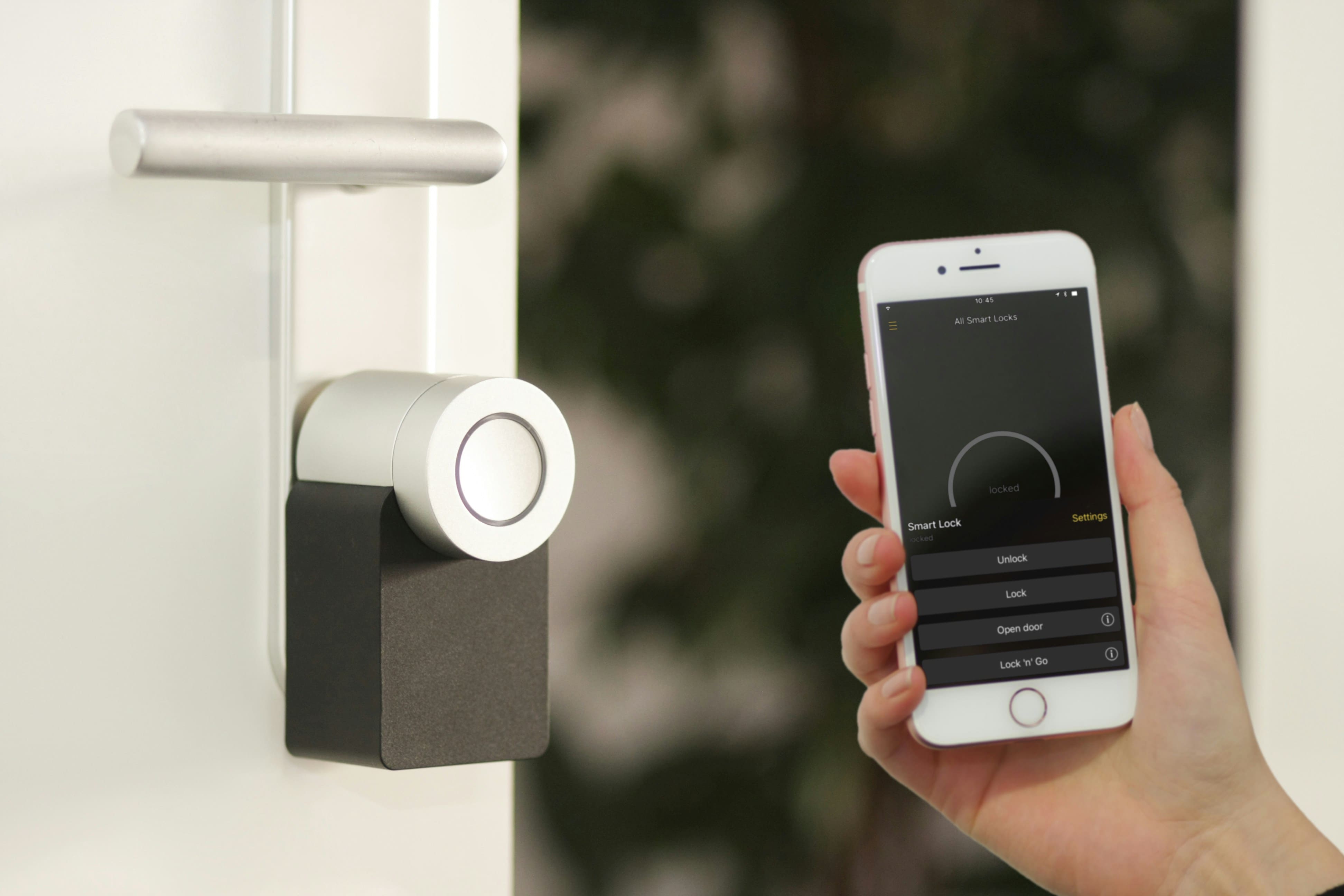
- Smart door locks
- Motion-activated lighting
- Window and door sensors
- Glass-break detectors
- Alarm systems
- Narrow-zone video doorbells
In many cases, layered security works better than relying entirely on cameras alone.
Security works best when trust comes first
The best home security systems should make your household feel safer without making everyone around you feel watched.
At Secure Your World, we believe smart home security should protect both your property and your peace of mind. By choosing privacy-conscious devices, configuring them carefully, and respecting the people around you, you can create a safer home without sacrificing trust.